
Energy Matrix Clearing System



What EMCS Is
EMCS was developed through decades of clinical work in human development, addiction counseling, and energy-based approaches.
It integrates elements of:
- Energy psychology
- Energy medicine
- Human development
- Observational pattern recognition
Within the Sovereign Architecture Model, EMCS serves as the applied method for engaging the architecture of experience. It offers a clear process for identifying and working with the structures through which experience is formed.
How the Work Is Approached
EMCS does not focus solely on surface-level symptoms. It works with the underlying patterns that give rise to those symptoms.
During a session:
- Patterns within the system are identified
- Relationships between belief, feeling, and response are clarified
- Areas of constriction are brought into awareness
- The system is supported in reorganizing toward greater coherence
This process is both structured and responsive, allowing each session to unfold based on what is present.
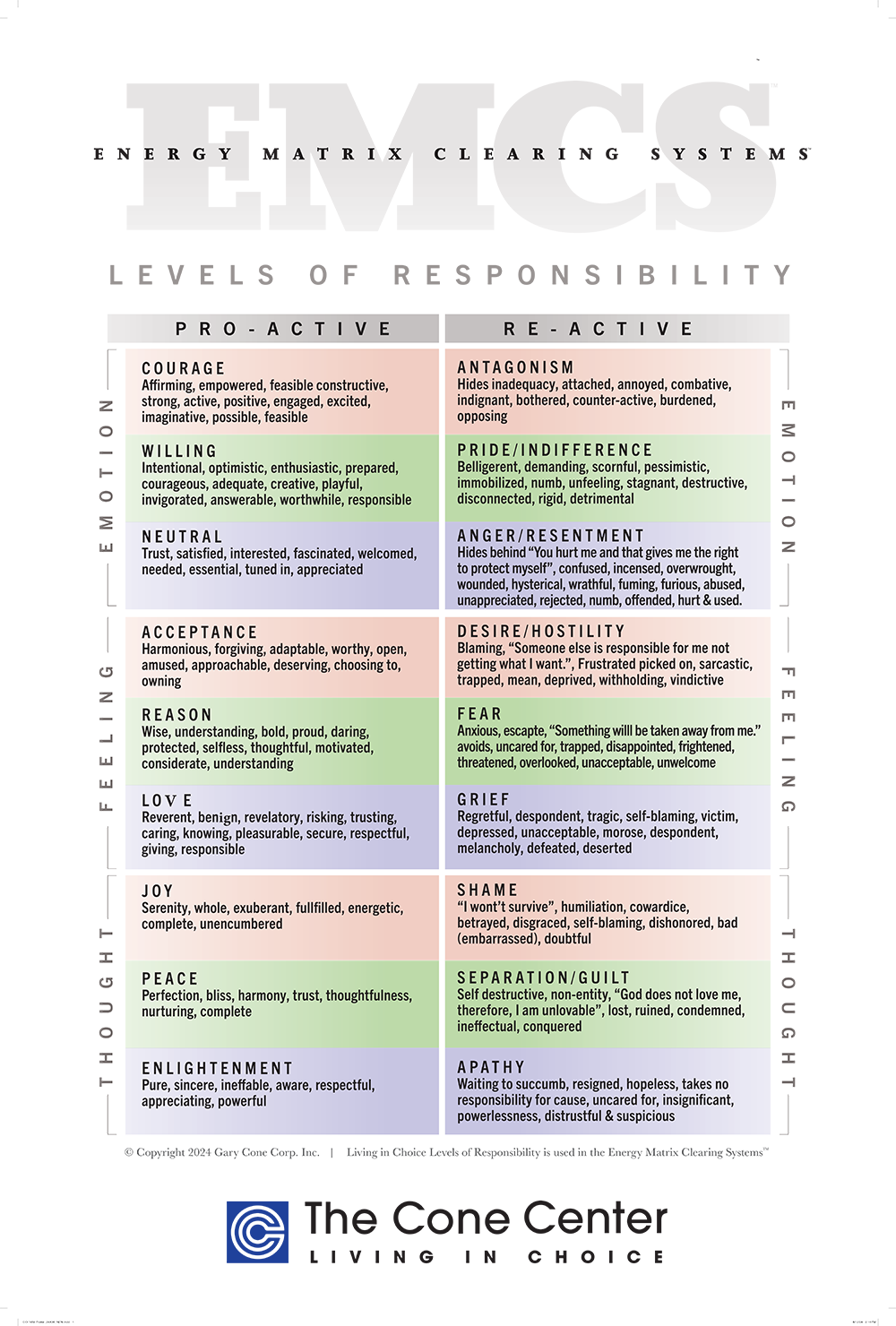
EMCS is not something that is done to an individual. It is a process that supports awareness.
As patterns become visible:
- Automatic responses begin to shift
- Interpretation becomes more flexible
- Emotional experience reorganizes
- Language reflects greater clarity
- Action becomes more aligned
Through this process, the system moves toward greater coherence.
As patterns within the architecture reorganize, individuals may notice shifts in:
- Emotional responses
- Thought patterns and interpretation
- Physical tension or stress patterns
- Communication and language
- Behavioral responses and choices
- Overall sense of clarity and internal alignment
These changes reflect movement within the system rather than isolated outcomes.
Integration with SAM
Who This Work Is For
EMCS may be appropriate for individuals who:
- Notice repeating patterns in their lives
- Experience ongoing emotional or behavioral challenges
- Seek greater clarity in thought and response
- Are interested in understanding the structure of their experience
- Want a practical approach to meaningful change
No prior experience with this type of work is required.
What a Session Is Like
Sessions are conducted in a focused and grounded environment. Each session:
- Begins with identifying the current area of focus
- Follows a structured process of assessment and engagement
- Supports the recognition of underlying patterns
- Allows shifts to occur within the system
Sessions may be experienced as both practical and reflective, with attention to immediate experience as well as underlying structure.